 By admin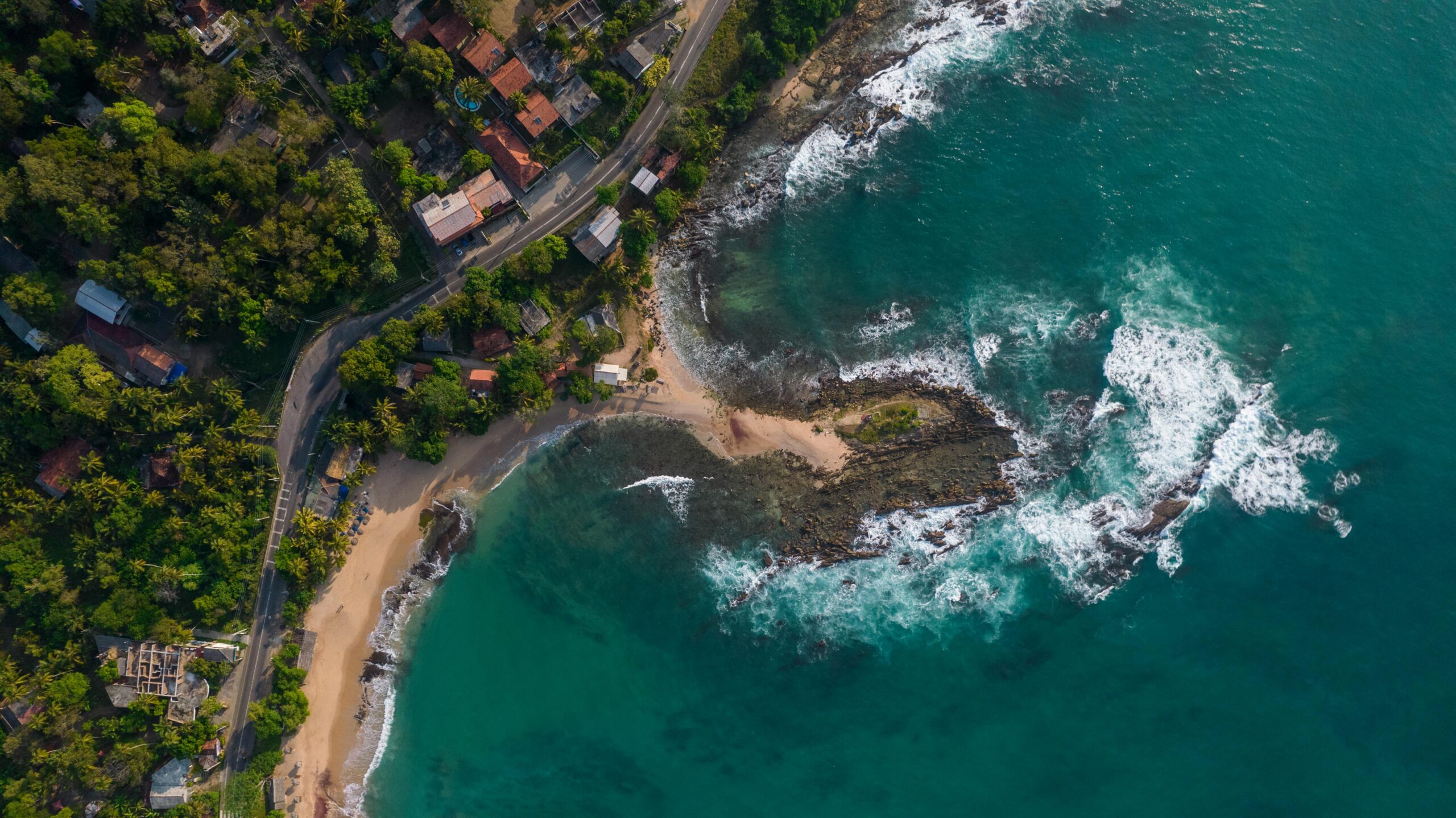
Whether to plan a journey to any island nation or not, travellers usually seek crystal-clear guidance. With its beaches, ruins, and extensive natural landscapes, Sri Lanka is a magnet for tourists. Different patterns are experienced in other regions, so a guide helps readers pick a time frame relevant to their own experience. A big help to anyone looking for the best time to visit Sri Lanka is to learn about the seasons, rainfall, and how they differ from one region to another.
Seasonal Overview
Sri Lanka experiences two major monsoon seasons. This helps the planning stage, just as each of them affects a different area of the island. This split pattern helps to assure delightful conditions throughout the year for visitors to enjoy.
Rain reaches the southwest first. Showers struggle and rise within the coastal belts during this period. A subsequent northeastward-moving monsoon system does eventually bring the northeastern US wet conditions a bit later (in time). Those patterns influence choices for visitors seeking either sunshine, brisk breezes, or weather conducive to an active lifestyle.
The South and West Will Be Dry
Thanks to its golden beaches and quick access to resorts, the south and west coasts continue to draw crowds. Winter is the dry season in this region, typically from December to March. Any day that’s warm enough appears far too often, bringing a pleasant opportunity for swimming or simply lounging about. Bright mornings equally entice strolls along the shore.
For this reason, families appreciate these months due to the low level of rain, which minimises unexpected changes to the program. This is also the favourite time frame for couples, as sunsets paint the beach in shades of colour. It also makes things easier for photographers, as the lighting is consistent and predictable.
The northern and eastern areas experience dry months
Choice of dates: Travellers planning to visit the north or east should choose May to September. This period has mostly bright skies. These are ideal for those seeking a peaceful beach experience or wishing to visit cultural sites farther inland.
Surfers head out onto steady seas, as waves line up for many miles along the eastward segments. This season works in favour of outdoor trips without a long delay. During this phase, guests who enjoy long drives along coastal highways are not greatly disturbed.
The month of rain and what to expect
For many areas, rain is revitalising. Rain showers pop up out of nowhere, but seldom does it rain all day. These create a more temperate air across inland locations. Those who visit during its mellow seasons prefer a quieter ambience.
Certain areas receive more intense rainfall during the peak monsoon weeks. All travellers must check forecasts before exchanging districts. Flexible plans alleviate the stress when showers surprise. Indoor attractions, such as museums or heritage centres, offer a more contemplative alternative in rainy moments.
Festivals and Cultural Attractions to see
There are several festivals in Sri Lanka throughout the year. These events offer a glimpse into centuries-old traditions. Lunar cycles are celebrated in the country with colourful ceremonies and parades. Those who coincide their travels with those moments benefit from a clearer perspective on local culture.
At some festivals, sections of society come together for common rituals, with illuminated streets, festive tunes, and colourful adornments. These get-togethers are often rewarding for guests who appreciate cultural learning. However, it also means understanding that rooms fill up quickly as festival dates approach, so planning is essential.
Wildlife Considerations
Most visitors come seeking to see animals in their natural settings. During dry spells, species tend to congregate around watering holes. It makes viewing the sobrefest in the national parks. Around this time of year, birds, elephants, and other creatures become easier to find.
There are other times of the year, too, when whales can be spotted right from shore. Migration routes are not static, so selecting the right region increases the odds of a proximity sighting. Guides provide information about safe practices and park rules, which are essential for responsible travel.
Budget Planning and Visitor Flow
Dry spells boost visitor numbers. In many towns, you will see the price spiral unfold like this. There are quickly occupied rooms, and always crowded beach areas. Shoulder months are the happy medium for travellers who like a quiet stay. These windows of time offer temperate weather between extremes and fewer crowds.
Of course, those who want a better rate usually pick a month with a chance of rain. Resorts are having promotions during these periods. However, the guests still have delightful experiences, and they pay less for it because the plan is flexible.
Practical Tips for Smooth Planning
Here are some simple steps to help travellers create better schedules:
- Check regional weather charts around dates.
- Pack lightweight clothes with rain protection.
- Festival dates are worth checking so you don’t find yourself scrambling to find accommodation at the last minute.
- Maintain a flexible itinerary to compensate for unexpected rain.
All these little things contribute to a nice journey and less hassle.
Explore: Best time to visit New Zealand
Conclusion
Tourists inquiring about the ideal time to visit Sri Lanka should consider each of the monsoon seasons. Clearly, some places are best at different times of the year, so it pays to plan carefully. Whatever your endgame — sunny beaches, cultural experiences, wildlife sightings, or quiet getaways — Sri Lanka rewards you in a variety of seasons. Choosing the right time helps you unwind and enjoy every little moment formally.