 By admin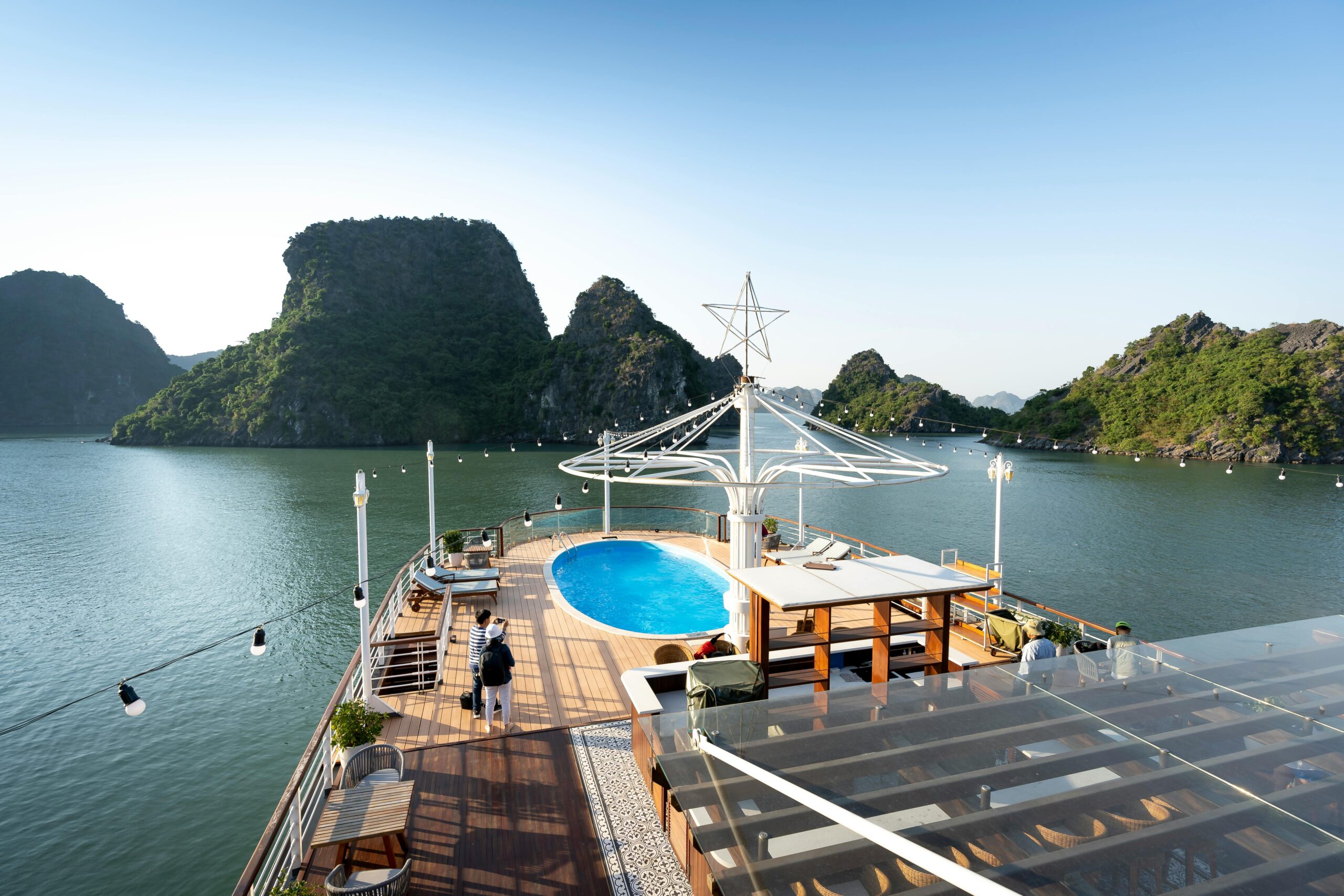
With its stunning landscape, rich culture, and beautiful traditions, Vietnam has become a popular travel destination, featuring a diverse range of attractions, from its long coastline and mountains to its deltas and the urban sprawl of city life. Choosing the right moment to visit Vietnam can make a significant difference in the quality of one’s trip. The weather varies significantly from region to region, affecting sightseeing and outdoor plans, as well as local festivals. However, more data needs to be processed during weather events.
North Vietnam: Hanoi, Halong Bay, and Sapa
In northern Vietnam, there are four distinct seasons. February-April) The weather is mild and occasionally rainy during spring. It is the perfect time to discover the old streets of Hanoi or cruise the Whirlwind Bay. The scenery of Sapa also glows in Springtime, when terraced fields put on their greenest livery.
The summer season (which is spread from May to August) is sweltering. It does rain, especially in July, but that’s when the area is lush and vibrant. Visiting northern Vietnam in these months is ideal for those who enjoy fewer crowds. The autumn season, from September through November, typically features crystal-clear skies, mild temperatures, and low humidity. The peak season is considered the best time to visit Vietnam, particularly in the northern regions. The time between December and January is the chilliest in Sapa; however, if you want some peaceful times and misty views, winter is the best period.
Hue, Da Nang, and Hoi An—Central Vietnam
Central Vietnam features a tropical climate, characterised by a short dry season and occasional typhoons. The period between February and August is when beaches are supposed to be hot and sunny along Da Nang or Hoi An’s old town. This is also the best time for a Hue tour to visit the historical sites.
From September to January, storms and heavy rain mean that outdoor adventures may be limited. Coastal locales are lovely—now they just require careful monitoring of local weather systems. However, those who plan to do a bit of sightseeing and relaxing usually choose the spring and summer months if they are in central regions.
Southern Vietnam: Ho Chi Minh City & Mekong Delta
Southern Vietnam also has a tropical climate, characterised by distinct dry and rainy seasons. With fewer rain showers from December to April, the dry season is more conducive to river tours and city exploration due to the clear skies and pleasant temperatures. These months are particularly pleasant for the Mekong Delta, where the waterways are calm and easy to navigate.
During the rainy season (May to November), showers are brief and violent, and they almost exclusively occur during the afternoon. Well, those who dislike slight drizzling find it an obstacle, but for those who like light rain, it is no hindrance; in fact, the greenery around and the reduced number of customers make it the best time to visit. During the dry season, travel plans are more flexible in the short term, making this a popular option for the south of Vietnam.
Festivals and Cultural Events
Many festivals in Vietnam can influence the best time to travel to Vietnam. Lunar New Year (Tet) falls in late January or early February. Famed throughout the world, these festivals are celebrated in towns and cities alike, bustling with life, traditional food, and decorations. Travellers coming to Tet learn more about the culture of the Vietnamese people, but hotel prices may increase.
There are also regional festivals, such as the Mid-Autumn Festival, as well as local temple fairs. The ideal weather often coincides with these events, making the experience culturally richer.
How to choose when is the best time to travel, when you are suited to go.
You need to pick a region of the world, the activities you are preparing to do, and the type of weather you are expecting to encounter. If you love the beach, central and southern Vietnam are the places to be in spring and early summer, where the warm, sunny conditions are ideal. For clear skies and cooler temperatures, trekkers might prefer northern Vietnam in autumn.
Flexibility is crucial. Occasional rains can occur in dry months, and more people mean more potential problems at cultural events. You can be comfortable in all directions, so pack for climate changes.
Explore: Best time to visit sri lanka
Conclusion
The best time to visit Vietnam should be considered based on the travel destinations in Vietnam, activities, and preferences. Northern areas of the country sparkle in spring and autumn, while central and southern regions are best travelled in the dry, bright weeks of summer. Many highlight local festivals and cultural experiences to enrich the trip and provide important context for the country and its traditions. Taking into account the weather, regional differences, and seasonal events, travellers can ensure their trip to Vietnam is full of enjoyment and memories.