 By admin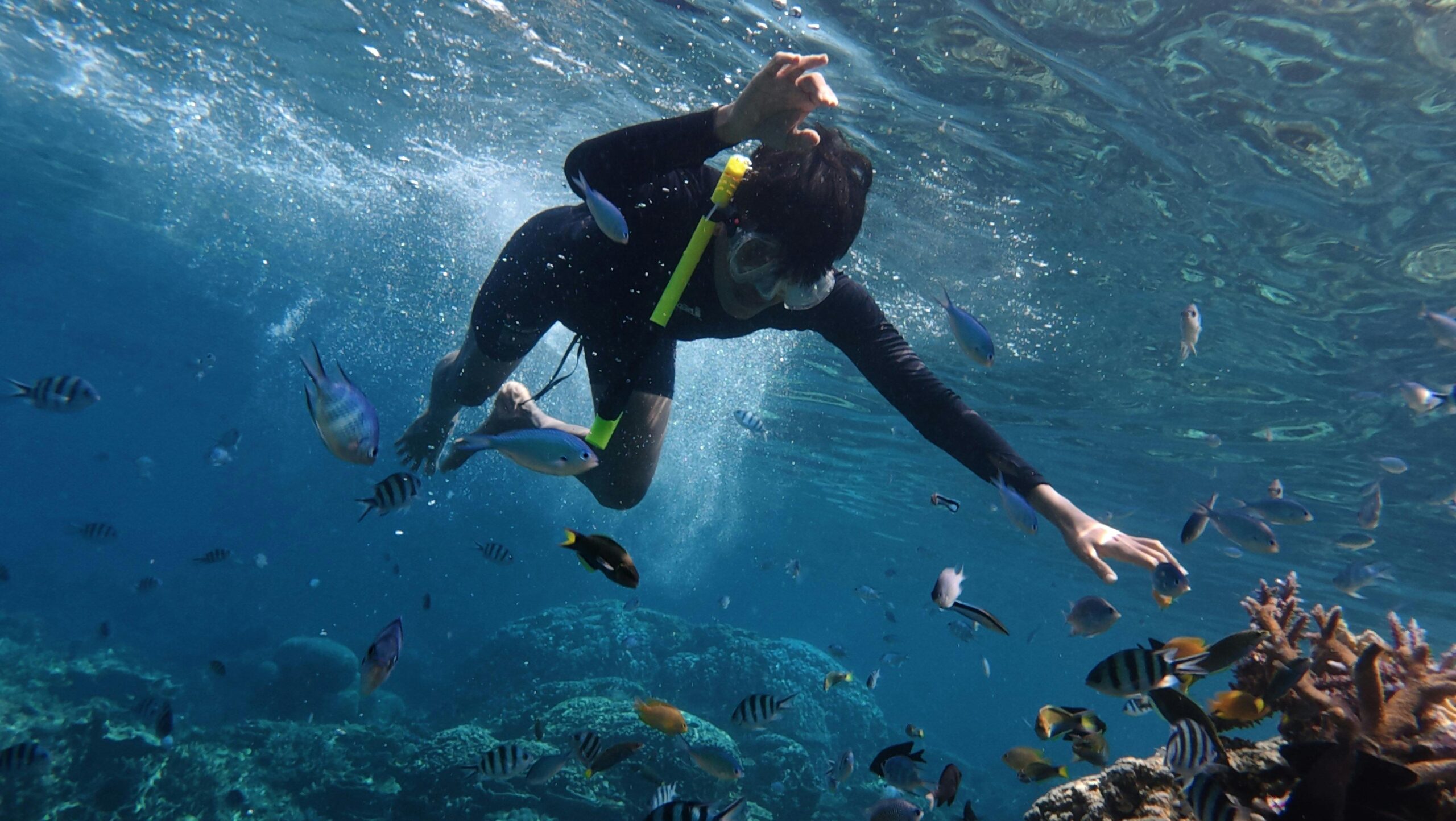
Snorkeling is a different style altogether when you are looking to see below the water without diving. It offers a blend of relaxation and thrill, enabling people to witness different ocean animals and coral reefs in their natural environment. Although snorkeling seems quite straightforward, there are some skills that are worth mastering to improve the safety and the enjoyment of the sport. Whether you are a very beginner snorkeller or a more advanced one, this guide shares important techniques and tips to maximise your underwater experiences.
Preparing for Snorkeling
Before hitting the water, there is actually a world of preparation involved. A little effort to make sure you have the right gear and are physically ready to do the course can go a long way. These steps are designed for beginners and people who are experienced snorkelers alike:
- Holy Gear: You need to use a high-quality, comfy mask, snorkel and fins. A well-fitting mask keeps the water out, and fins help you get around.
- Equipment Check: Snorkels and masks are checked for cracks or blockages to ensure clear breathing. We can adjust everything before we go into the water and avoid a lot of frustration.
Stretching muscles and loosening joints have some flexibility, which is a benefit of a good warm-up when swimming, as it helps stabilise the body and maintain the centre of balance in the water.
Breathing Techniques for Snorkeling
Snorkeling properly begins with learning the art of breathing. Good technique means less fatigue and more confidence underwater.
- Breathe Slow And Steady: Breathe through the snorkel as steadily as possible to inhale and exhale without panicking and remaining calm. You may feel uncomfortable or even dizzy from rapid breathing.
- Shallow Waters: Novices can practice breathing while lying down in shallow places. Being used to the snorkel and mask makes one feel more relaxed and less anxious.
- Practice Deep Breathing: Diaphragmatic breathing centres on taking deep breaths with the diaphragm rather than shallow breaths with the chest. It helps in absorbing more oxygen and in floating longer.
Streamlined Swimming Techniques
Moving with efficiency is important because you are trying to save energy for exploration. Minimal drag from smooth swimming makes more lengthy snorkeling sessions feasible.
- HipFrom: Bending at the knees less and using the hips to power the fins increases speed while conserving energy
- Keep a Horizontal Alignment: Keeping level with the water surface reduces drag. So keeping your body as straight as possible is also to cut down on any splashing.
- Avoid Tensing Up Your Arms or Shoulders: Muscles get tired quickly if they are tense. Allowing the upper body to be buoyant encourages a more flowing action.
Mask and Vision Management
Being able to see properly helps not only with safety but also makes your snorkeling experience a better one. Some simple practices may automatically eliminate the usual fogging or leakage issues.
- Antifog the Mask: Apply a small amount of baby shampoo or a commercial anti-fogging product on the inside of the mask to keep it clear.
- Fit Test: A mask that fits properly means that it will create a seal around the face, thereby preventing leaks and the need for constant adjusting.
- Instead of raising the head, it turns the head slightly, which keeps the head in a horizontal position and keeps the neck relaxed.
Safety Practices While Snorkeling
First things first, always make sure you are safe. Basic rules help protect the snorkeler and the marine environment.
- Never Snorkel Alone: Snorkeling with a buddy makes it safer should you encounter an unexpected current or experience a minor injury.
- Provide Navigation Safety: Watching for weather, currents, and water depth prevents danger.
- Don’t touch most marine life: delicate or defensive. Keeping a distance protects both the snorkeler and the underwater environment.
Techniques for Exploring Deeper Waters
- After they have settled and feel at ease around the surface, snorkelers can move towards a deeper part of the water. These techniques help hone your control and how well you manage your breaths.
- Descend at least once every day, equalising the ears every few feet as pressure changes. We help avoid some unpleasantness by pinching the nose and blowing softly.
- Static diving: Very slow descent and float down with snorkel above water level to allow skills practice in a controlled partial submersion & develop comfort level
- Utilise Slim Kicks: Faster fin strokes save energy when diving for extended periods. It also minimises water disturbances so you can observe marine life up close.
Building Endurance and Confidence
Regular practice builds endurance and confidence. Small sessions are better than large sessions that occur infrequently.
- Step it up slowly: Spending more time in the water will gradually allow you to begin holding your breath longer and swimming better.
- Relaxation: The second you are underwater, it is a game of time and the limit of oxygen consumed. If you can stay calm and relaxed, you will use less oxygen, and you will have more time to see.
- Log Your Progress: Tracking the distance you swim and how at ease you feel can indicate patterns of progress or spots we need to focus on.
Explore: Beach Photography Ideas
Conclusion
Snorkeling is not just an opportunity to discover the underwater world, but also a physical activity. Utilising these techniques will aid in improving skills, safety and enjoyment underwater. Every snorkeling experience is rewarded tenfold by practising, preparing and planning. Whether venturing into shallow reefs or going a little further into depth, these procedures provide for all lovers.